

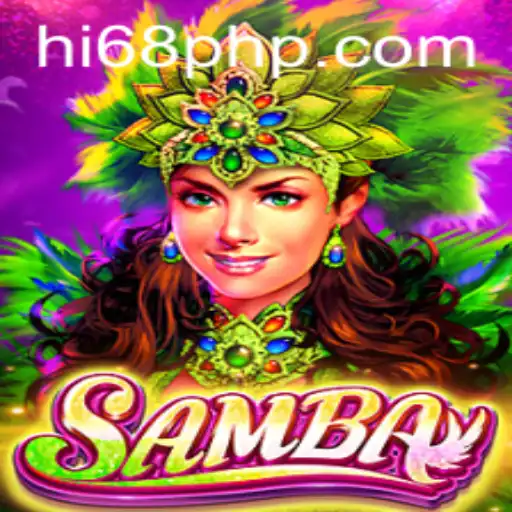
Discover Samba, the captivating and rhythm-driven game with the intriguing keyword 'HI68.' Dive into its unique rules and engaging gameplay.
h2Introduction to Samba: A Game Like No Other/h2 pIn the realm of interactive entertainment, few games can claim the vibrancy and rhythm found in Samba. This unique board game draws its inspiration from the vibrant traditions of Brazilian dance and music, offering players an opportunity to step into a world pulsating with energy and movement. With the keyword HI68 playing a pivotal role, Samba invites players to embrace its captivating essence right from the start./p pThe world of Samba is not only about fun but also about engaging with culture. It blends the excitement of traditional board games with the flair and dynamism of musical rhythm, creating an atmosphere filled with excitement. The game's popularity has been soaring, thanks to its knack for uniting players in a playful yet strategic dance-off. As we dive deeper into the game of Samba, we find a rich tapestry of rules and gameplay elements that keep players intrigued and on their feet./p h2The Genesis of Samba and the Role of HI68/h2 pWhen designers conceptualized Samba, they sought to create a game that was not only entertaining but also culturally enriching. The game's design is steeped in the musical and dance traditions of Brazil, specifically the Samba dance, known for its lively and rhythmic steps. The goal was to encapsulate this liveliness into a format that could be enjoyed from the comfort of your living room./p pCentral to the game's theme is the keyword HI68. In Samba, HI68 represents a special move or strategy element that players can leverage to gain an upper hand. It's a nod to the dance's improvisational aspects, allowing players to bring an element of surprise and creativity to their strategy. This gameplay mechanic emphasizes quick thinking and adaptability, much like the real-world dance it draws inspiration from./p h2Gameplay and Objective/h2 pAt its core, Samba is a competitive game best enjoyed by two to six players. Each player assumes the role of a dancer, striving to earn the title of Samba Master. Players traverse the board, gaining points by executing dance moves and completing challenges. The board, designed with colorful and thematic art, often resembles a dance floor surrounded by mythical landscapes that add to the immersive experience./p pThe primary objective is to accumulate the most points by the end of the game. Players can earn points by landing on designated spots, completing mini-challenges, or strategically deploying their HI68 artifacts. These special artifacts, represented by unique tokens, hold the power to shift the game's trajectory when used wisely. They can be used to block an opponent's move, switch positions on the board, or even double points, making them a crucial part of a player's strategy./p h2Unpacking the Rules of Samba/h2 pOne of Samba's defining features is its rule simplicity combined with strategic depth. Each turn, players roll a custom die that dictates movement on the board. Depending on where they land, they may encounter different challenges, from rhythm-based puzzles to team challenges where collaboration with other players becomes essential./p pLanding on a spot marked with a 'NOTE' symbol requires players to complete a rhythm-based mini-game. These games utilize cards that describe a dance move which players must perform or describe creatively. Successfully completing these challenges earns players bonus points, as it showcases their Samba spirit and celebrates their creative flair./p pThe HI68 keyword, as mentioned, can be a game-changer. Every player starts with one HI68 token, but more can be earned by landing on specific spaces or completing intricate challenges. Holding the HI68 token means the player can interject in gameplay, adding layers of unpredictability and excitement to each session. It's a reminder of the dancing-style improvisations and keeps players alert and strategic in their approach./p h2Cultural Impact and Current Events/h2 pIn recent months, Samba has gained traction not only as a leisure activity but as a cultural phenomenon. With global events celebrating diversity and cultural exchange, Samba finds its niche as an ambassador of Brazilian culture. The resurgence of cultural appreciation in gaming, accelerated by the world's growing interconnectedness, helps bring attention to games like Samba that bridge cultural gaps through interactive play./p pCurrent events have witnessed a surge in virtual game nights, and games like Samba have transitioned seamlessly into the digital realm as well. Platforms are emerging where people from different corners of the world can connect over a shared love of dance and strategy, emphasizing the game's universal appeal. Furthermore, promotional events featuring experts discussing the importance of cultural games in modern society have further fueled its popularity. Samba, with its vibrant theme and engaging gameplay, stands out as a beacon of cultural unity amid global diversity initiatives./p

0 Comments